
"high-quality coffee beans"
30000 article(s) found

High-quality coffee common sense coffee bean quality and good or bad judgment
Good coffee beans are intact in appearance. The granules of individual coffee beans will be the same, while mixed coffee may not be the same, but the bigger the coffee beans, the better. Good coffee beans will be shiny and consistent in color. High-quality coffee beans will be crisp and crushed as soon as they are bit. Smell if there are any other bad smells. A good cup of coffee will be clear and transparent. Rinse out

Flavor and taste characteristics of Guatemalan coffee producing areas introduction of high-quality coffee beans
Vivette Nan Fruit is located in the highlands of northwestern Guatemala, growing at an altitude of 1800-2100 meters. It is the highest coffee-producing area in the country and is famous for producing high-quality beans. Because there are many rivers and lakes in Guatemala, the Vivette Nanguo region is rich in mountains and water resources, dry climate but abundant water resources, and complete water conservancy facilities in this area, so coffee is often washed and added.

A brief introduction to the characteristics of high-quality coffee Dominica coffee bean flavor and taste manor
Coffee in Dominica is grown in highlands and lowlands, and its taste is slightly different. The upland is sour, but the taste is rich; the lowland is less sour and tastes smoother. Boutique coffee has become popular in recent years. High-quality coffee beans produced by some Dominican estates have a rich aroma, mellow taste and moderately bright sour taste, and have been bought with the more famous Puerto Rico beans or teeth.
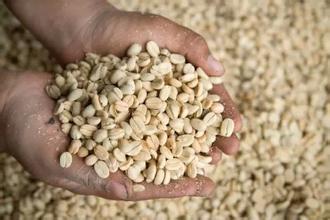
Falling coffee prices and rising demand for coffee beans may improve the quality of the products.
Mingtai, a commodity research institute, believes that due to global warming, the global coffee supply is decreasing, Brazil is the world's largest coffee producer, and coffee prices in Arabica have fallen by 35% in the past year. The demand for a cup of high-quality coffee is on the rise, and the supply of high-quality coffee may not keep pace with the demand for the next three to five years. Cafes all over the UK, fine production and high quality coffee
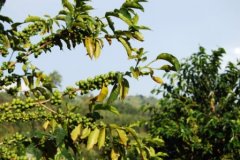
High-quality Zambian coffee is comparable to Kenyan coffee beans
Slightly lighter than Kenyan coffee, suitable for drinking in the afternoon. Coffee was introduced to Zambia (Zambin) from Kenya and Tanzania in the early 20th century and now it also produces giant coffee beans and bean-shaped berry coffee beans. High-quality Zambian coffee is getting better and better. Although the taste is slightly light, the flavor is similar to that of Kenyan coffee, and the price is exactly the same. Zambian coffee is mainly cultivated

High-quality coffee Honduran coffee beans introduce the characteristics of Honduran coffee beans
Overall, Honduran coffee has a good reputation and is suitable for mixed coffee. Coffee in Honduras is imported from El Salvador. Honduras produces high-acid high-quality coffee. Like other places, the coffee grade in Honduras depends on altitude: coffee grown at 700 to 1000 meters above sea level is medium, and grown at 1000 to 1500 meters above sea level
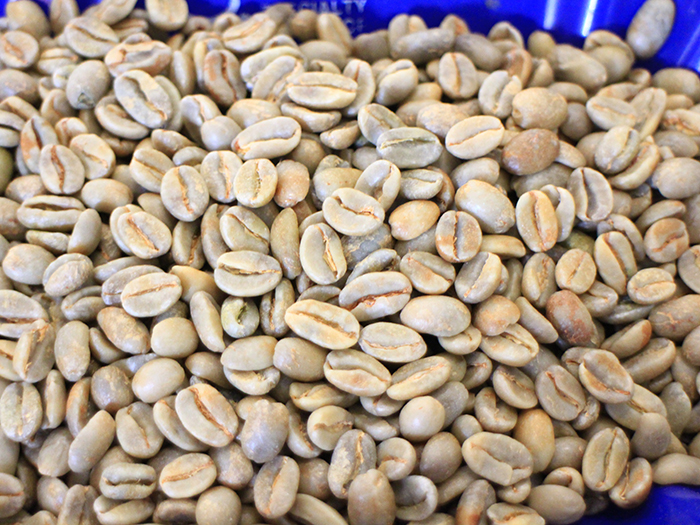
What kind of raw beans are high-quality raw beans? How to choose raw coffee beans? Colombian raw bean
What kind of raw beans are high-quality raw beans? First look at the surface of beans, fresh and high-quality raw beans, the surface is shiny, in addition, the processing of good raw beans, uniform color, the surface of uneven color can not be called good beans, must choose uniform color. Secondly, the particle size is the same, which is also evidence of good quality management. Make sure that the particle size is the same when you buy it.

Introduction of high-quality Honduran coffee beans
The extra-hard coffee beans here are full-grained, delicious and balanced, and the coffee made with them is pure and rich. Guatemala coffee once enjoyed a reputation as the best quality coffee in the world, but its quality also declined for a time. What is gratifying, however, is that its reputation is gradually being restored. In 1750, Father Jesuit introduced coffee trees to Guatemala, at the end of the 19th century.

High-quality coffee beans recommend Indian A-grade coffee beans
India is the first country in Asia to grow coffee, and India's A-grade coffee beans have always been a kind of coffee strongly concerned by coffee lovers all over the world. Its flavor and taste features: uniform particles, rich taste, slippery and delicious. The cultivation of Indian coffee originated from their colonists, the British. As early as the 17th and early 18th centuries, the English were not as addicted to tea as they are now.

Take stock of the global origin of high-quality coffee beans
Editor's note: if you want to brew delicious and mellow coffee, the most important thing is that coffee beans are the choice. What should I pay attention to when buying? What is the origin of coffee beans in the world? Let's take a look at the article: more than 50 countries around the world produce more than 3000 kinds of coffee beans every year. It is generally divided into two categories: ARABICA Arabica and ROBUSTA Robasta. ARABICA is of high quality.
Ireta Manor SHB Kaddura Panama specially selected imported high-quality boutique coffee
Coffee was introduced into Panama in 1780, when Europeans introduced the first Typica tree species. After that, this mysterious and strange drink conquered the senses of Panamanians, and the local people began to grow it widely. Panamanian coffee is very smooth, full particles, light weight, and perfect acidity balance, its high-quality coffee bean flavor is pure, very distinctive. Because of its wide popularity, Panama University
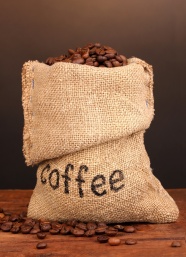
High-quality coffee Guatemala coffee beans characteristics introduction to Guatemala coffee beans
The extra-hard coffee beans here are full-grained, delicious and balanced, and the coffee made with them is pure and rich. Guatemala coffee once enjoyed a reputation as the best quality coffee in the world, but its quality also declined for a time. What is gratifying, however, is that its reputation is gradually being restored. In 1750, Father Jesuit introduced coffee trees to Guatemala, at the end of the 19th century.

High-quality coffee Guatemala coffee beans characteristics introduction to Guatemala coffee beans
The extra-hard coffee beans here are full-grained, delicious and balanced, and the coffee made with them is pure and rich. Guatemala coffee once enjoyed a reputation as the best quality coffee in the world, but its quality also declined for a time. What is gratifying, however, is that its reputation is gradually being restored. In 1750, Father Jesuit introduced coffee trees to Guatemala, at the end of the 19th century.

High-quality coffee Guatemala coffee beans characteristics introduction to Guatemala coffee beans
The extra-hard coffee beans here are full-grained, delicious and balanced, and the coffee made with them is pure and rich. Guatemala coffee once enjoyed a reputation as the best quality coffee in the world, but its quality also declined for a time. What is gratifying, however, is that its reputation is gradually being restored. In 1750, Father Jesuit introduced coffee trees to Guatemala, at the end of the 19th century.
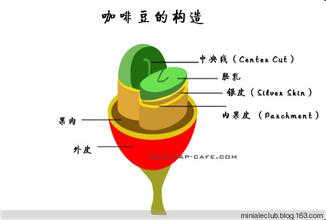
Description of flavor of Costa Rican black honey coffee beans introduction of varieties produced by grinding scale taste treatment
Costa Rican Black Honey Coffee Bean Flavor description, Grinding scale, Taste treatment, French Variety introduction Costa Rica in order to strengthen the export of high-quality coffee to Europe, the United States, Japan and other countries. Just began to vigorously develop high-quality coffee and increase the added value of coffee exports. At the same time, the government has set up a coffee trust fund to help coffee farmers in need tide over their financial difficulties and cultivate high-quality coffee.
Bali also has high-quality coffee beans.
In the traditional culture of Bali, coffee is used as a cheap beverage raw material. The flavor and quality of the region have been unstable or depressed, and most of them have become cheap commercial beans. Rodney and his partners decided to change the local people's stereotype of coffee. They chose the Wubu Market area, the cultural center of Bali, and opened the only one on the island.
High-quality coffee learn from Guatemalan coffee beans
The extra-hard coffee beans here are full-grained, delicious and balanced, and the coffee made with them is pure and rich. Guatemala coffee once enjoyed a reputation as the best quality coffee in the world, but its quality also declined for a time. What is gratifying, however, is that its reputation is gradually being restored. In 1750, Father Jesuit introduced coffee trees to Guatemala and Germany at the end of the 19th century.
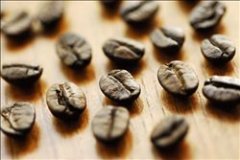
High-quality coffee Guatemala coffee bean treatment method washing
The extra-hard coffee beans here are full-grained, delicious and balanced, and the coffee made with them is pure and rich. Guatemala coffee once enjoyed a reputation as the best quality coffee in the world, but its quality also declined for a time. What is gratifying, however, is that its reputation is gradually being restored. In 1750, Father Jesuit introduced coffee trees to Guatemala, at the end of the 19th century.
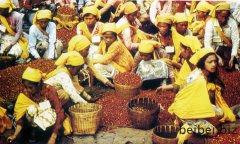
Post-harvest processing of high-quality coffee beans
After the harvest coffee bean processing: coffee berries must be processed immediately after picking to prevent pulp fermentation and decay. Coffee beans can be processed in two ways, wet and dry. The drying method is also called the natural method. Spread the coffee berries flat in the sun to dry. In the plantation, 50 square meters of coffee berries are laid on each hectare, or

High-quality coffee Guatemala coffee bean guava plain manor coffee bean treatment method
The extra-hard coffee beans here are full-grained, delicious and balanced, and the coffee made with them is pure and rich. Guatemala coffee once enjoyed a reputation as the best quality coffee in the world, but its quality also declined for a time. What is gratifying, however, is that its reputation is gradually being restored. In 1750, Father Jesuit introduced coffee trees to Guatemala, at the end of the 19th century.